


Some books entertain while a few rewire our entire perspective towards life, reality, and how we take everyday decisions even.
What an astonishing thing a book is. It's a flat object made from a tree with flexible parts on which are imprinted lots of funny dark squiggles. But one glance at it and you're inside the mind of another person... A book is proof that humans are capable of working magic. ~ Carl Sagan 🤎
The books on this list span short fiction, epic myth, philosophy, memoir, and even a TV script, but they share one thing: each leaves you seeing something a little differently than you did before you opened them. No spoilers below!
1. Tower of Babylon, by Ted Chiang
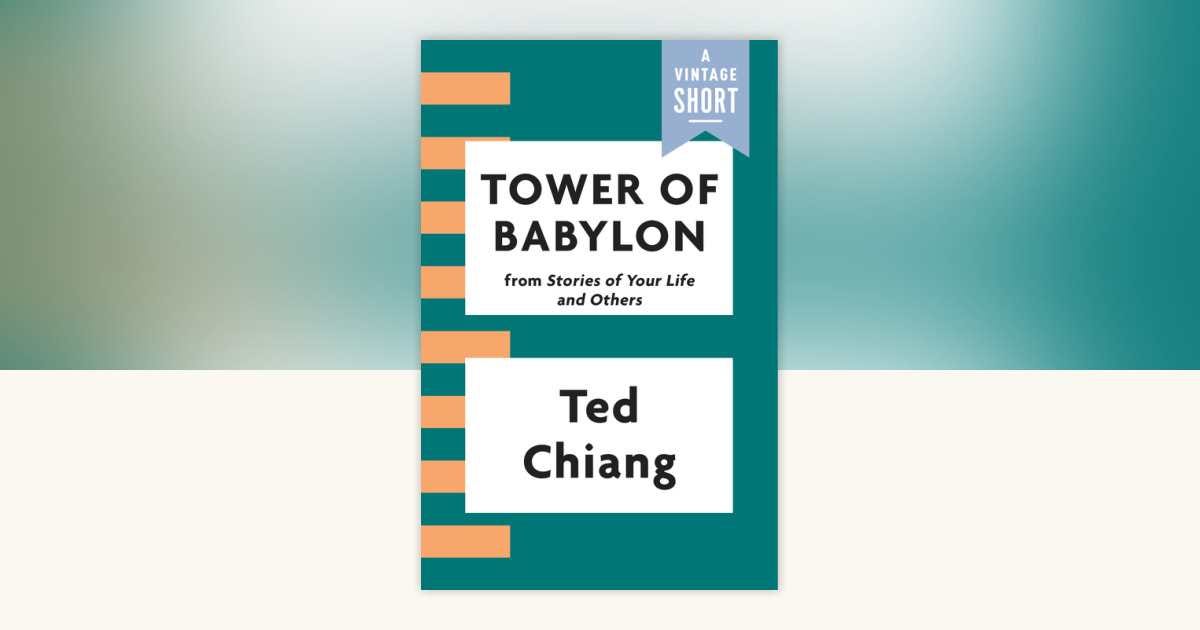
Ted Chiang is an engineer by training who publishes sparingly, almost entirely in short story form, and yet is one of the most decorated names in speculative fiction (his story “Story of Your Life” became the film Arrival).
Tower of Babylon is one of his earliest works, and it takes the Biblical tower not as a cautionary myth about hubris, but as an engineering project: miners and masons spend their lives climbing a tower so tall it takes months to ascend, chasing the vault of heaven itself.
What stays with you isn’t the climb but the compulsion to climb. The very human refusal to stop building toward something just because no one has reached it yet. It’s a story about scale, patience, and the strange comfort of believing that persistence alone will eventually deliver an answer.
Chiang writes with the precision of a scientist and the patience of a philosopher, and this story is a quiet, humbling meditation on effort versus destiny.
2. Outliers: The Story of Success, by Malcolm Gladwell
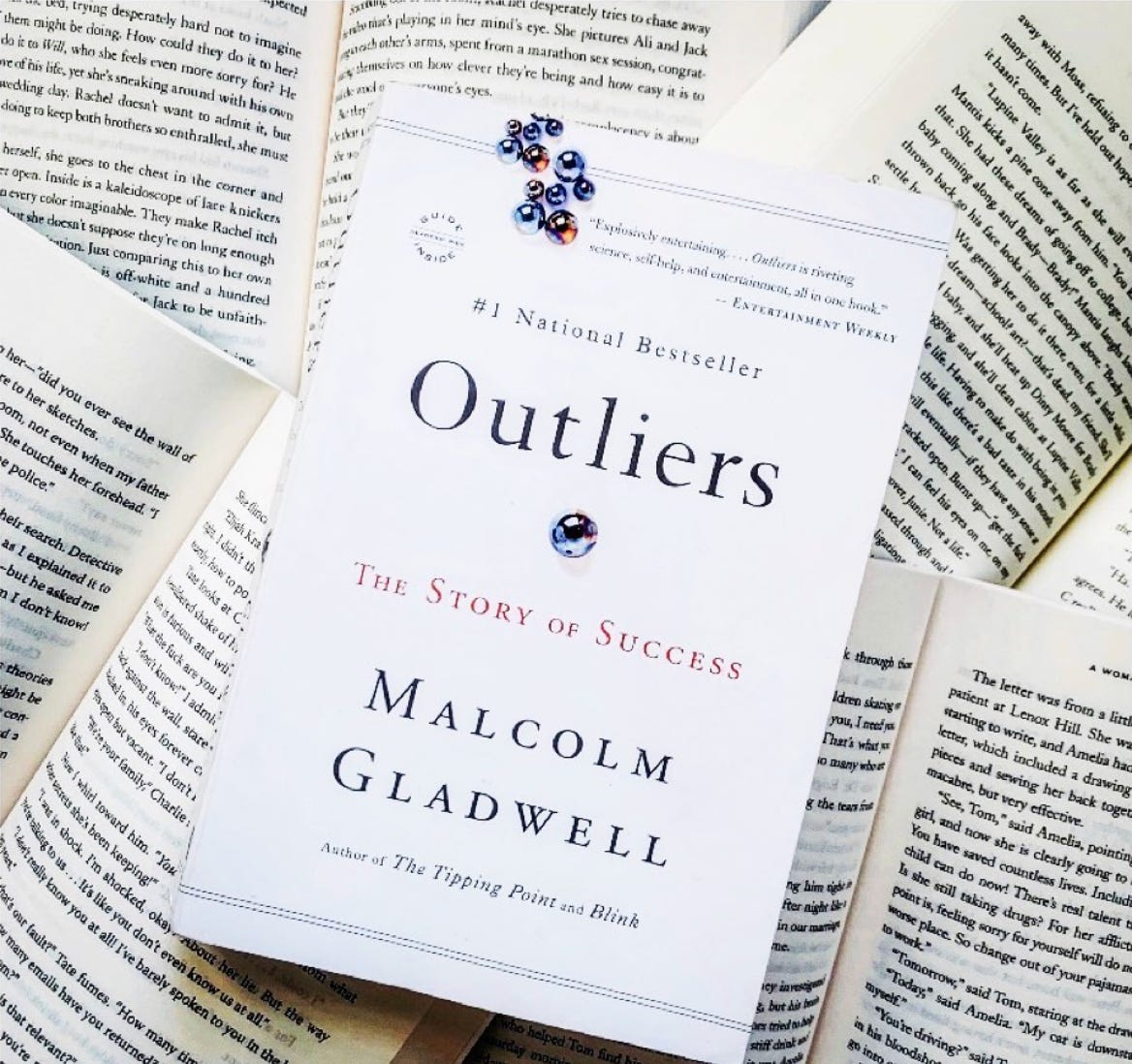
Malcolm Gladwell, a staff writer at The New Yorker and author of The Tipping Point and Blink, built his career on taking counterintuitive research and turning it into narrative.
Outliers argues that success is far less about individual genius than about timing, environment, and accumulated advantage. The argument that made “10,000 hours” a household phrase, though the book is really about something subtler: how tiny early advantages compound into enormous ones.
Gladwell’s examples reach well beyond talent. Canadian hockey players born in January dominate their leagues simply because of youth-league cutoff dates, the Beatles became the Beatles partly because of the grueling number of live hours they logged in Hamburg clubs before fame, software pioneers of Gladwell’s generation happened to be teenagers exactly when personal computing became accessible.
The book reframes success as a position in time. Being early, being ready, or simply being born into the right decade.
3. The Fountainhead, by Ayn Rand
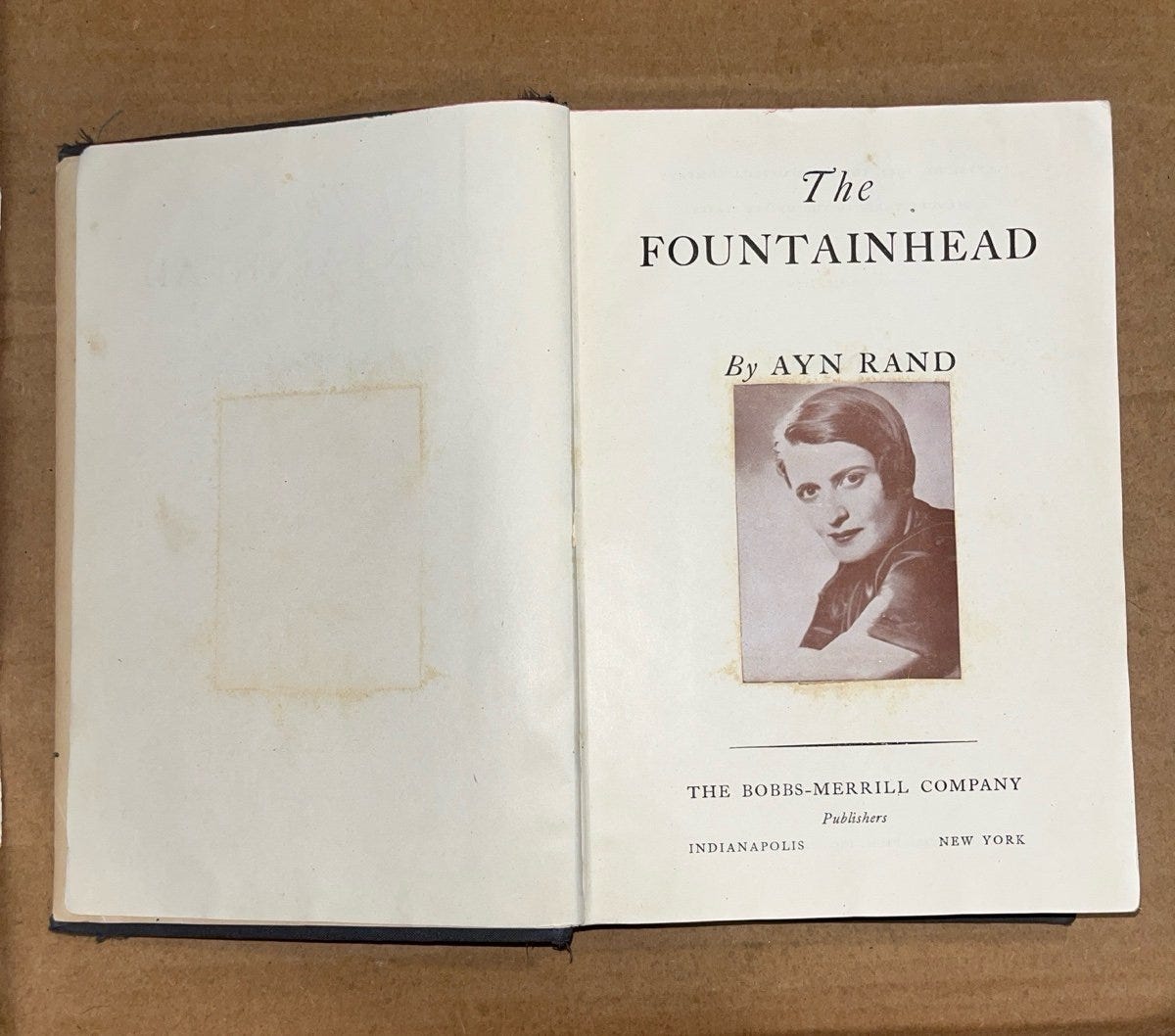
Ayn Rand was a Russian-born American novelist and philosopher who fled the Soviet Union and built her entire body of work around a philosophy she called Objectivism: the primacy of reason, individual achievement, and self-interest over collectivism.
The Fountainhead follows an architect who refuses to compromise his creative vision for approval, money, or convention, even when refusing costs him everything.
What makes the book unsettling rather than simply inspiring is how inhuman that level of focus looks from the outside. Single-minded to the point of seeming almost incapable of ordinary human softness, like a horse with blinders that only sees straight ahead.
Just as important is Ellsworth Toohey, the novel’s critic-antagonist, whose worldview of using guilt and collective mediocrity to level everyone downward is arguably the more psychologically realistic and relatable character in the book. Most people recognise more of themselves in Toohey’s compromises than in Roark’s purity, which is exactly what makes the contrast so uncomfortable.
4. Circe, by Madeline Miller
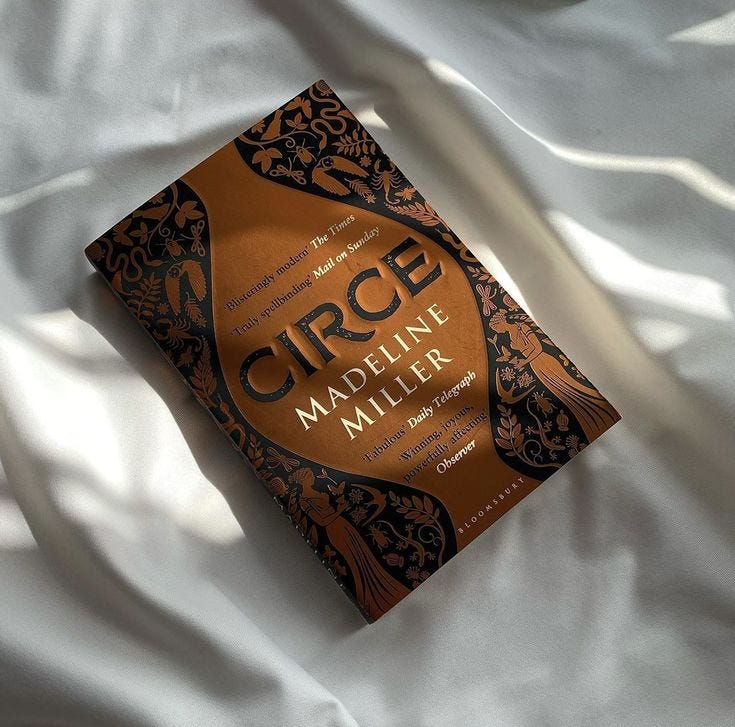
Madeline Miller is a classicist who taught Latin and Greek for over a decade before turning to fiction. Her prose treats Homer and Ovid not as dusty source material but as breathing stories waiting to be re-told from the margins.
Circe takes a minor witch from The Odyssey, exiled to a lonely island for reasons the gods never bother to justify, and gives her the interior life the myths never granted her.
The book is really about what it means to be an outsider among the powerful. Someone with no birthright of divine authority who has to build her power herself, spell by spell, out of necessity rather than inheritance.
Miller uses that outsider position to interrogate the entire Greek pantheon’s casual cruelty, and the result is less a retelling than a correction: myth seen through the eyes of the one who was never given a voice in the original.
5. One Hundred Years of Solitude, by Gabriel García Márquez
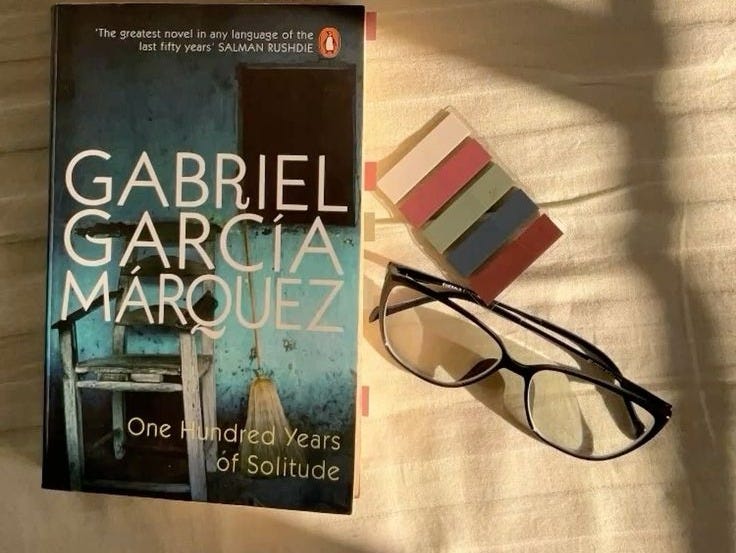
Gabriel García Márquez, the Colombian Nobel laureate often credited as the founder of magical realism, spent nearly two years writing this novel while his family lived off borrowed money and pawned appliances.
A fact that feels fitting for a book so obsessed with fate repeating itself. It follows seven generations of the Buendía family in the fictional town of Macondo, where the miraculous and the mundane occupy the same sentence without contradiction.
The lasting effect of One Hundred Years of Solitude isn’t any single event but its treatment of time itself. History doesn’t move in a straight line here so much as loop, echo, and fold back on itself, with names, mistakes, and destinies recurring across generations. Reading it changes how linear you expect a life, a family, or a century to feel afterward. Time starts to seem less like an arrow and more like a spiral.
6. Lord of the Flies, by William Golding
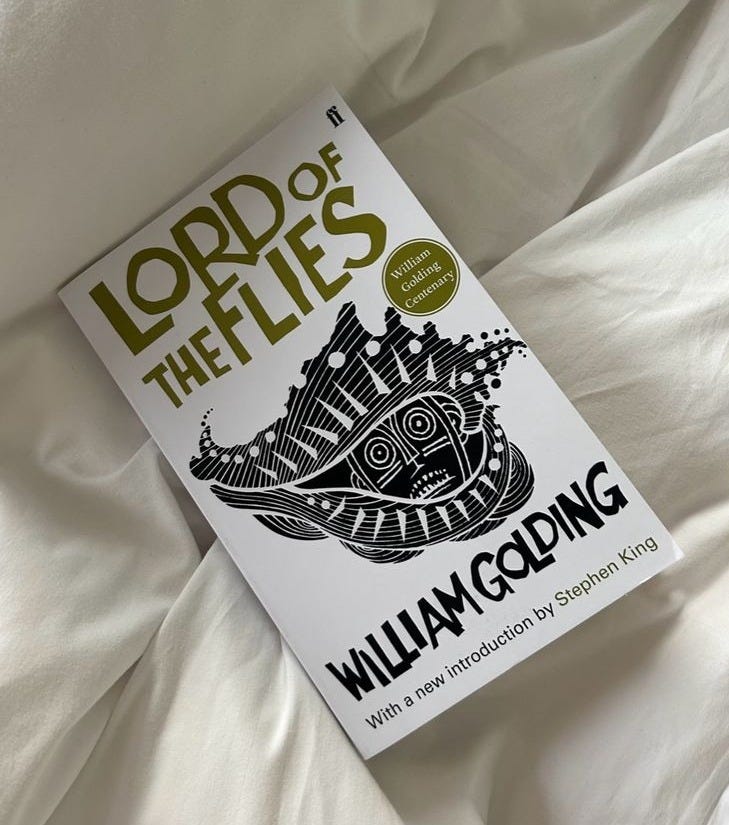
William Golding was a British novelist and Nobel laureate whose experience serving in the Royal Navy during World War II, including at D-Day, left him with a lasting skepticism about human nature that shaped this, his most famous novel.
A group of boys stranded without adults on a deserted island is often read as a survival story, but it’s really an experiment in how quickly the thin veneer of civilization gives way.
What makes Lord of the Flies so unsettling is precisely that it uses children rather than adults. There’s no war, ideology, or desperation to explain away what happens, only ordinary boys given the chance to organise themselves.
Golding’s argument is that violence isn’t a corruption imposed from outside but something already present, waiting for the right conditions: a claim far bleaker, and far harder to dismiss, than most stories about human nature are willing to make.
7. Eleanor Oliphant Is Completely Fine, by Gail Honeyman

Gail Honeyman is a Scottish writer for whom this was a debut novel, one that went on to win the Costa First Novel Award and become an international bestseller. A striking outcome for a book with almost no plot machinery at all.
Eleanor Oliphant Is Completely Fine follows Eleanor, a socially awkward, rigidly routine-bound woman whose isolated, unremarkable life is presented in scrupulous, often funny detail.
The book’s quiet argument is that ordinariness itself, the small rituals, the loneliness nobody comments on, the coping mechanisms hidden in plain sight, can carry a story without any grand event forcing it forward.
It’s a reminder that the most consequential things in a life are frequently the smallest, least dramatic ones, and that a person’s inner world can be enormous even when their outer life looks like nothing is happening at all.
8. The Palace of Illusions, by Chitra Banerjee Divakaruni
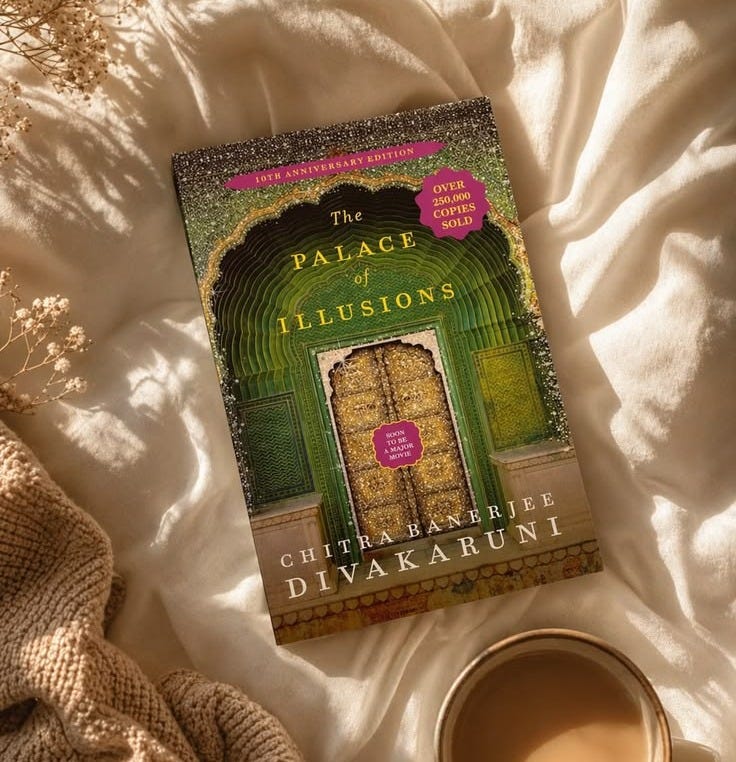
Chitra Banerjee Divakaruni is an Indian-American author and poet who has spent much of her career reworking myth and history through female perspectives largely absent from the original tellings.
The Palace of Illusions retells the Mahabharata through the eyes of Panchaali (Draupadi), a central figure in the epic who is nonetheless treated, in most traditional tellings, as a consequence of events rather than an agent within them.
The novel’s real achievement is showing just how much an epic can transform when its narrator changes. The same wars, the same characters, the same fates read entirely differently once seen through the eyes of the woman at the center of them rather than the men fighting around her.
It’s a splendid case study in how narrative isn’t a neutral framing device but the tool that decides what a story becomes.
9. The Unbearable Lightness of Being, by Milan Kundera
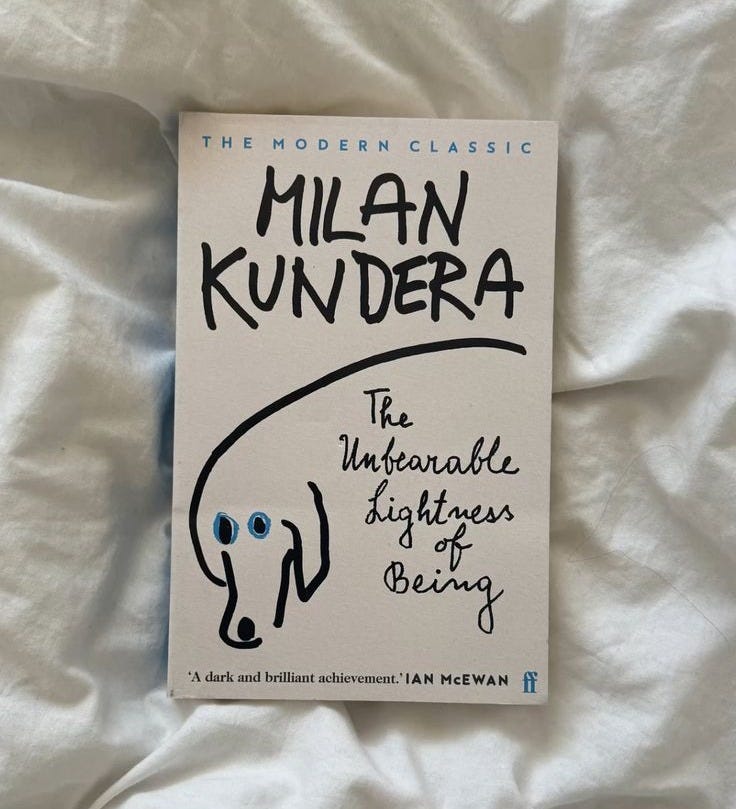
Milan Kundera was a Czech-born writer who lived much of his life in exile in France after fleeing the Communist regime, and that political backdrop, the Prague Spring and its crushing aftermath, sits just beneath the surface of this novel, even though it’s framed as a story of love and infidelity between two couples.
The Unbearable Lightness of Being opens with Nietzsche’s idea of eternal recurrence, then spends the rest of it asking what it would mean if our choices only happened once, never to be repeated or judged against an alternate version of themselves.
The book makes you weigh the “lightness” of a life lived only once. Free, unanchored, but also weightless and perhaps meaningless against the “heaviness” of commitment, responsibility, and consequence. Kundera never resolves which is preferable, and that refusal to resolve it is exactly what makes the question linger long after the book ends.
10. Sapiens: A Brief History of Humankind, by Yuval Noah Harari
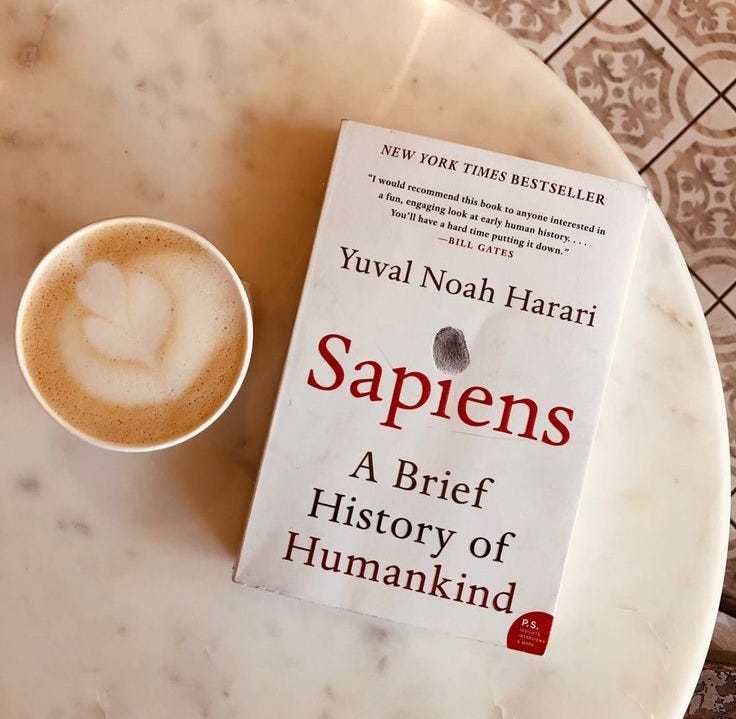
Yuval Noah Harari is an Israeli historian at the Hebrew University of Jerusalem whose academic background in medieval and military history didn’t stop him from writing one of the most widely read books of the last decade, tracing the entire arc of human history from the emergence of Homo sapiens to the present.
Sapiens’ central, world-tilting claim is that our species’ defining advantage was never strength or intelligence alone, but the rather unique quality of imagination.
The ability to believe collectively in things that don’t physically exist, from gods to nations to money to human rights to pure ambition. That capacity to imagine a unifying story, Harari argues, is what let strangers cooperate at a scale no other species has ever managed, and it’s the same mechanism, in different costumes, that still holds together religions, corporations, and countries today.
11. Pride and Prejudice, by Jane Austen
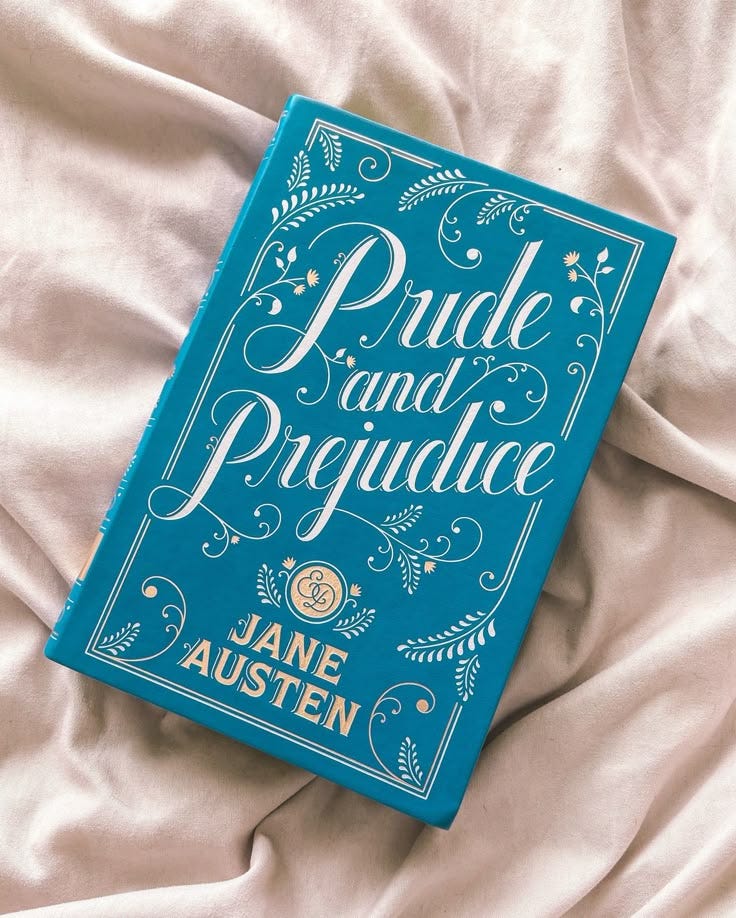
Jane Austen wrote at a time when women’s novels were often published anonymously, as hers initially were, and when marriage functioned less as a romantic choice than an economic necessity for women shut out of most other paths to security.
Pride and Prejudice is set squarely within that constraint, following Elizabeth Bennet as she navigates courtship, class, and reputation in early nineteenth-century England.
What makes the novel endure isn’t the romance alone but the fact that Elizabeth’s wit, judgment, and refusal to marry for convenience keep asserting themselves despite a system built to suppress exactly that kind of independence.
Austen shows individuality surviving, even thriving, inside a structure explicitly designed to flatten it, which is part of why the book still reads as sharply modern despite its Regency setting.
12. Man’s Search for Meaning, by Viktor Frankl
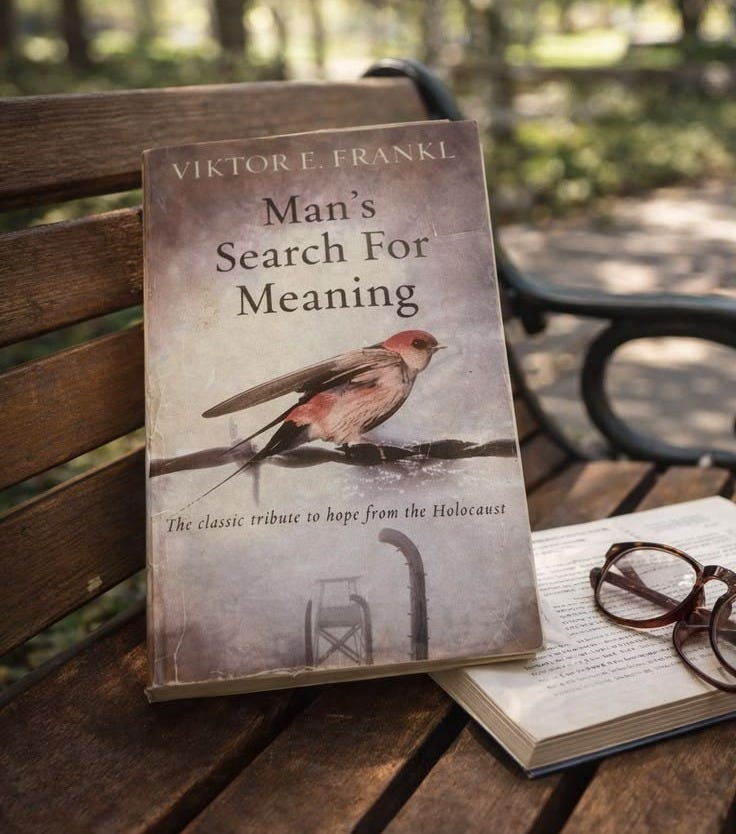
Viktor Frankl was an Austrian neurologist and psychiatrist who survived multiple Nazi concentration camps, including Auschwitz, and wrote this book in the years immediately after his liberation.
The first half of Man’s Search for Meaning is a restrained, unflinching memoir of that experience. The second lays out logotherapy, the psychological framework he developed from the experience. It is the idea that the primary human drive isn’t pleasure or power, but the search for meaning.
Frankl’s central claim is that meaning, or a sense of purpose, is what allows a person to endure suffering that would otherwise be unbearable, and that this purpose can be found even in the bleakest circumstances imaginable.
It’s less a book about surviving atrocity than about what makes survival and life afterward worth choosing, which is what gives it its lasting hold on readers far removed from the camps themselves.
13. The Immortals of Meluha, by Amish Tripathi
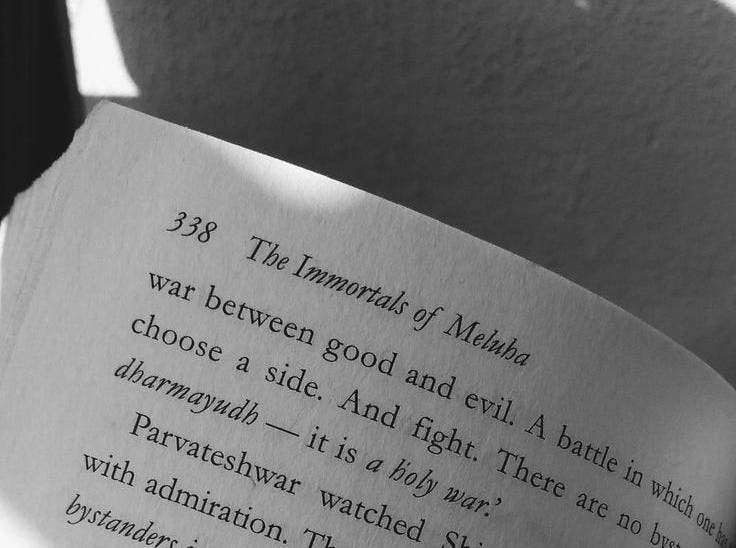
Amish Tripathi is an Indian author whose debut novel, The Immortals of Meluha, the first in the Shiva Trilogy, took a self-published gamble that turned into one of the best-selling series in Indian publishing history.
The book reimagines Shiva not as a God from the outset, but as a Tibetan tribal chief who migrates into the ancient land of Meluha and is gradually mistaken for, and comes to embody, the prophesied Neelkanth.
Its real trick is reverse-engineering myth into plausible history: the elixir that grants long life is recast as a scientifically formulated potion called Somras rather than divine magic, and Shiva’s iconic blue throat becomes a side effect of drinking it rather than a supernatural marking.
Every legendary detail gets a grounded, almost technical explanation, which is what makes the book feel less like retelling a myth and more like uncovering the history that might have inspired one.
14. The Curious Incident of the Dog in the Night-Time, by Mark Haddon
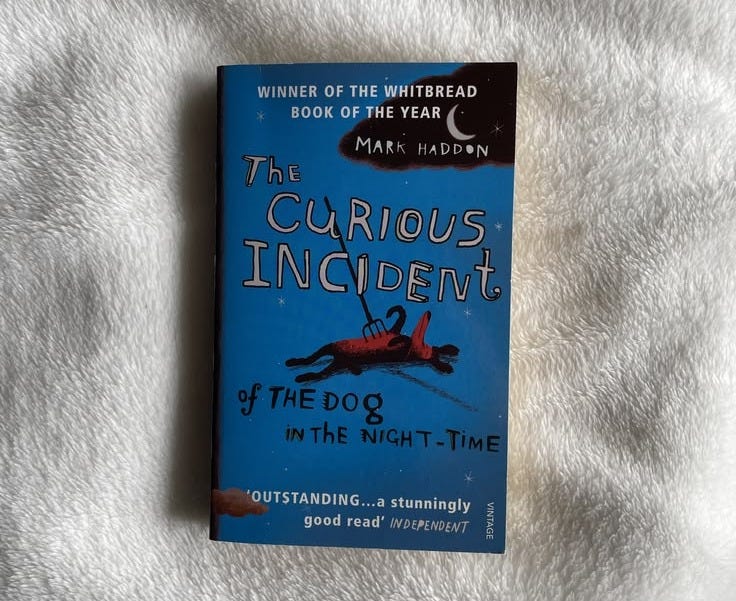
Mark Haddon is a British author and illustrator who had written mostly children’s books before The Curious Incident of the Dog in the Night-time became his breakout success, narrated entirely in the voice of Christopher, a teenager whose literal, highly logical way of processing the world shapes every sentence of the book.
The novel’s accomplishment is showing that language doesn’t need to be lyrical, metaphorical, or “polished” in the conventional literary sense to be devastatingly effective. Christopher’s flat, precise, sometimes mathematically structured narration communicates emotion more powerfully than ornate prose often manages, precisely because of its restraint. It reframes what “good” writing even means.
15. Discourse on the Method, by René Descartes
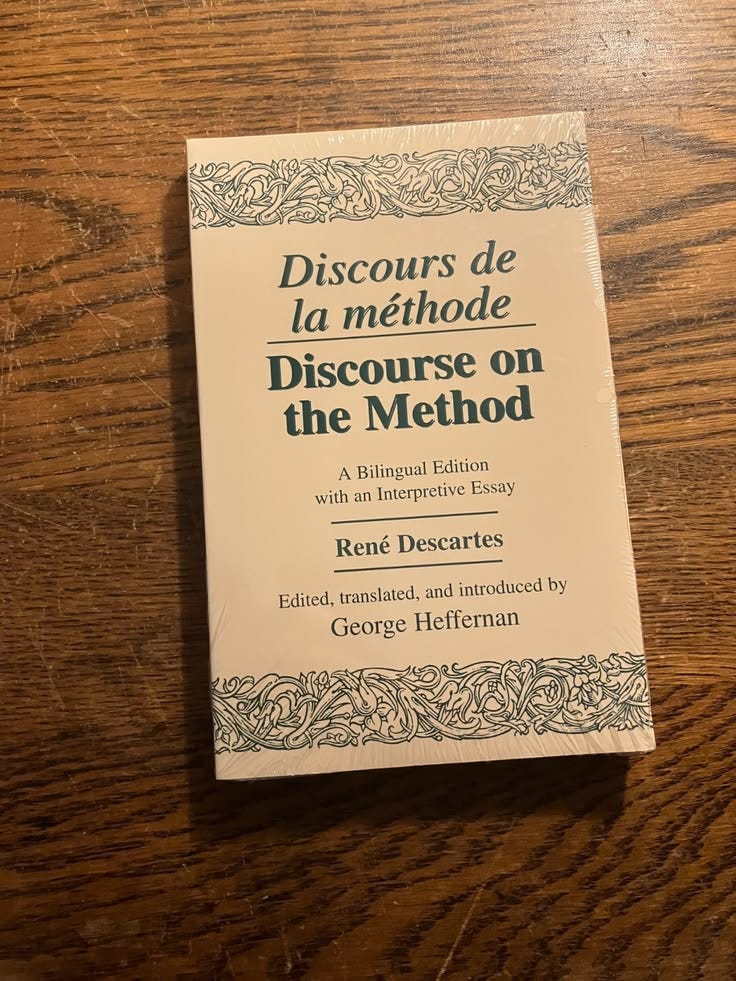
René Descartes was a French philosopher and mathematician often called the father of modern Western philosophy. This short, autobiographical text, Discourse on Method, written in French rather than the era’s academic Latin, so ordinary readers could follow it, lays out the method he used to arrive at his famous “I think, therefore I am.”
Its lasting contribution isn’t really the conclusion but the method itself: break every problem down into its smallest, most certain components, doubt everything that can be doubted, and rebuild understanding piece by piece from what remains. That approach of radical, systematic doubt followed by careful reconstruction became the template for how the modern world approaches nearly every unsolved problem, scientific or otherwise, making this slim book far more influential than its length suggests.
16. Nineteen Eighty-Four, by George Orwell
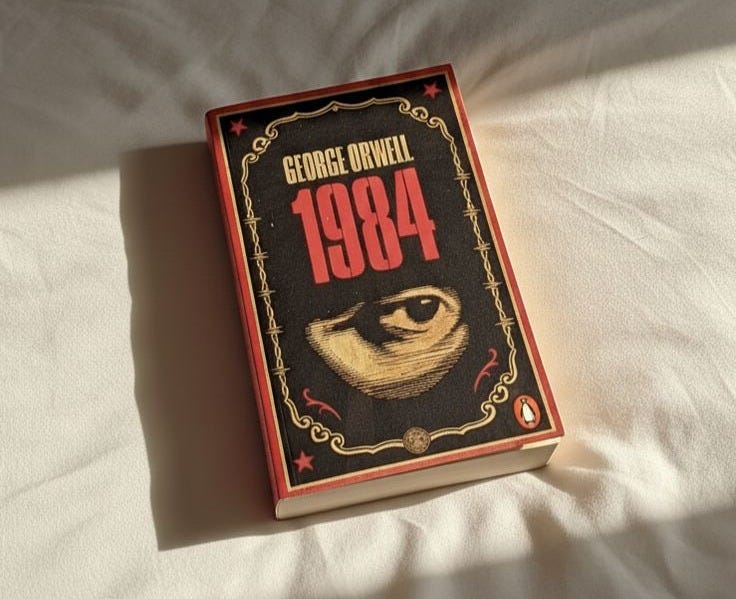
George Orwell was an English novelist and journalist whose firsthand experience of totalitarian propaganda, fighting in the Spanish Civil War and observing Stalinism and fascism up close, directly shaped this novel, written in the final years of his life. Set in a state of constant surveillance and enforced conformity, it follows a low-level party worker who begins, quietly and dangerously, to think for himself.
What makes 1984 so enduring is its attention to mechanism rather than just outcome. It doesn’t just show a population controlled, it shows exactly how: through language stripped of nuance (Newspeak), through history rewritten in real time, through the simple, exhausting fact of being watched. Orwell’s real subject is how thought itself can be regulated, which is why terms from the book have become permanent shorthand for surveillance and control well beyond fiction.
17. Wuthering Heights, by Emily Brontë
Emily Brontë published this, her only novel, under the male pseudonym Ellis Bell, as was common practice for women writers of her time, and died just a year after its publication, never seeing the novel achieve the reputation it holds today. Set across two generations on the Yorkshire moors, Wuthering Heights centers on the consuming, destructive bond between Heathcliff and Catherine.
The novel refuses to present that bond as simply romantic. It’s presented instead as a kind of burden. A love so total it damages nearly everyone who comes near it, across years and even across generations. Brontë’s real subject isn’t love as comfort but love as weight: the cost of loving someone so completely that it reshapes, and often ruins, everything else around it.
18. The Stranger, by Albert Camus
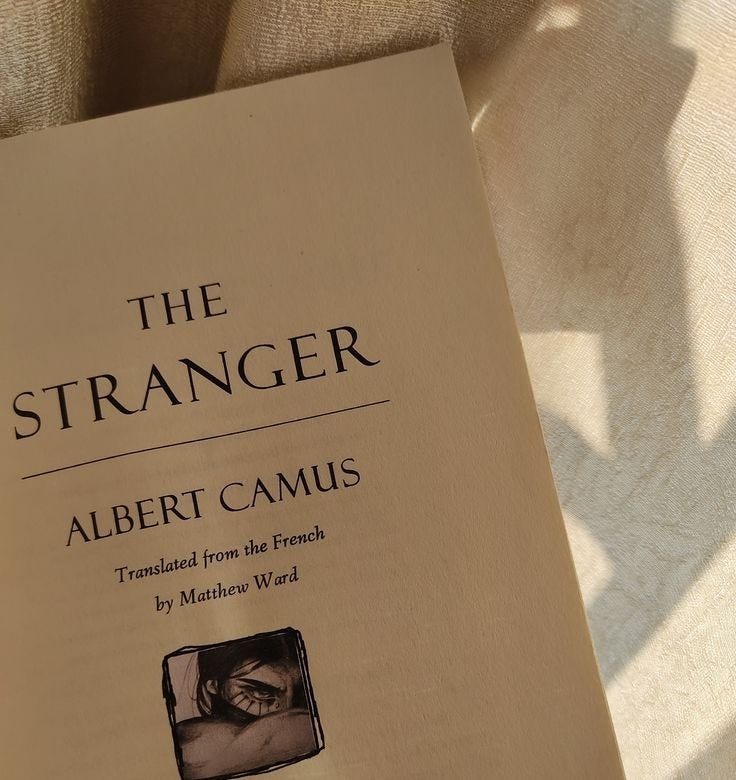
Albert Camus was a French-Algerian writer and philosopher, later a Nobel laureate, closely associated with absurdism: the idea that humans instinctively seek meaning in a universe that offers none. The Stranger follows Meursault, a man whose emotional detachment from the events of his own life, including its most significant ones, sets him apart from everyone around him.
The novel’s disorienting power comes from that detachment itself. Meursault narrates his own life the way a bystander might describe someone else’s, indifferent to the reactions his indifference provokes in others. It’s less a story about a specific crime or consequence than a study of what it looks like to exist entirely outside the emotional and social scripts everyone else assumes are mandatory.
19. Outgrowing God: A Beginner’s Guide to Atheism, by Richard Dawkins
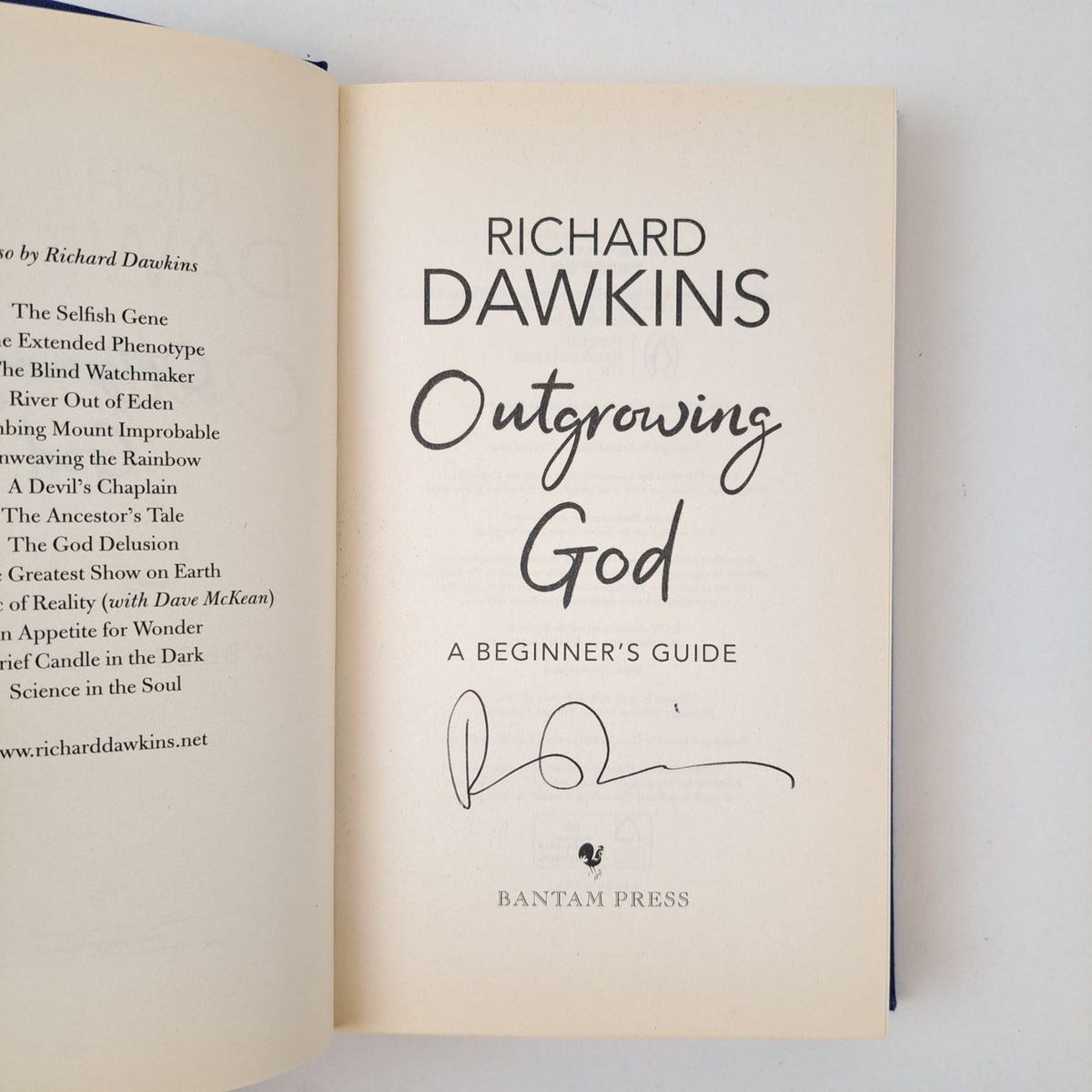
Richard Dawkins is a British evolutionary biologist, formerly Oxford’s Professor for Public Understanding of Science, best known for The Selfish Gene and for decades of outspoken advocacy for atheism. Outgrowing God, written with a younger audience in mind, walks through the origins of religious belief, the mechanics of mythmaking, and the evidence (or absence of it) behind various faith traditions.
The book is less an argument for non-belief than an invitation to examine how belief itself gets constructed, why certain stories become sacred, how morality has actually functioned independent of religious doctrine throughout history, and what it means that humans across cultures have imagined gods in remarkably similar ways. Whatever conclusion a reader reaches, the process of scrutinizing those foundations is what shifts the perspective.
20. Fleabag: The Scriptures, by Phoebe Waller-Bridge

Phoebe Waller-Bridge is a British writer and actor who created, wrote, and starred in Fleabag, the show this book publishes as scripts. Every line of dialogue, stage direction, and aside is exactly as performed. Reading it strips away the performance and camera work and leaves just the words themselves, which is where the show’s real engineering and the mastery of the writer becomes visible.
What stands out on the page is how much emotional weight Waller-Bridge builds from spare, unadorned dialogue and the famous asides to camera. A single short line doing the work that pages of exposition might do elsewhere. It’s a masterclass in economy, proof that the most intense scenes don’t need elaborate language, just precisely the right few words in exactly the right place.